Understanding & Using
One of our goals is to help teachers who may need a little help with their hardware and the devices in the church. In the future we will provide training on how to uses these technologies.
- Wifi
- Casting (Smart TV’s) –iPhone | Android
- Computers, iPads, SmartPhones, etc.
- Multi-Media Library
Effective Usage
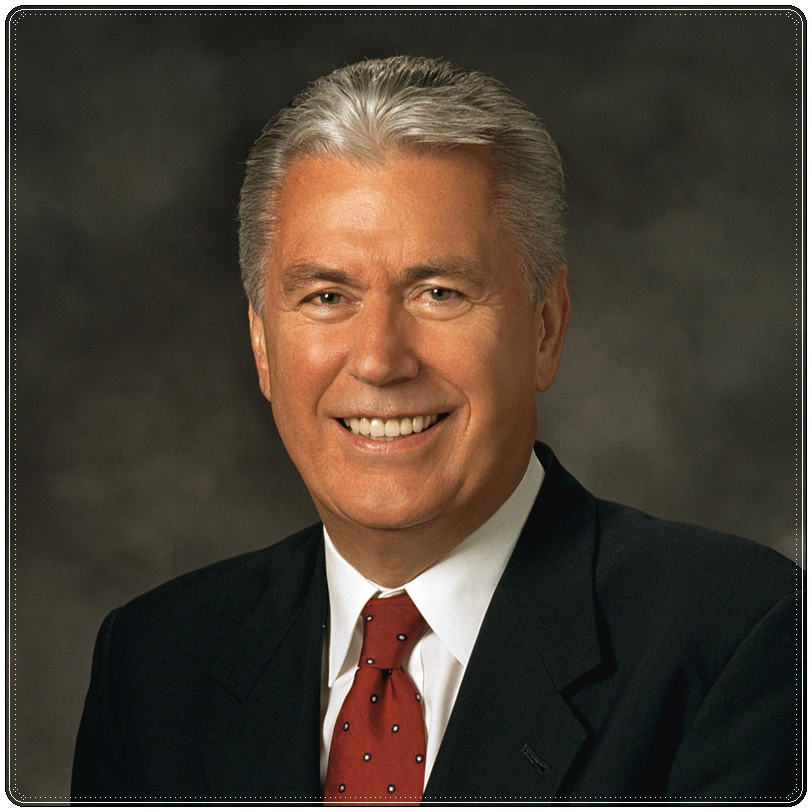
I love how President Uchtdorf encourages us to think more creatively and differently than perhaps we learned as youths. How we can use technology as we teach instead of fighting it.
I want to also share some of the effective tools we use in Institute and BYU Pathway programs as we teach people around the world. Technology is a tool that can be a blessing to connect with people in effective ways.
“…Elder Uchtdorf reminds members and missionaries alike that in regards to missionary work, ‘We need to not move back to the old ways, we need to move back to the future.’ This is done by engaging and incorporating these lessons of technology, flexibility and creativity when inviting others into the Church of Jesus Christ.”
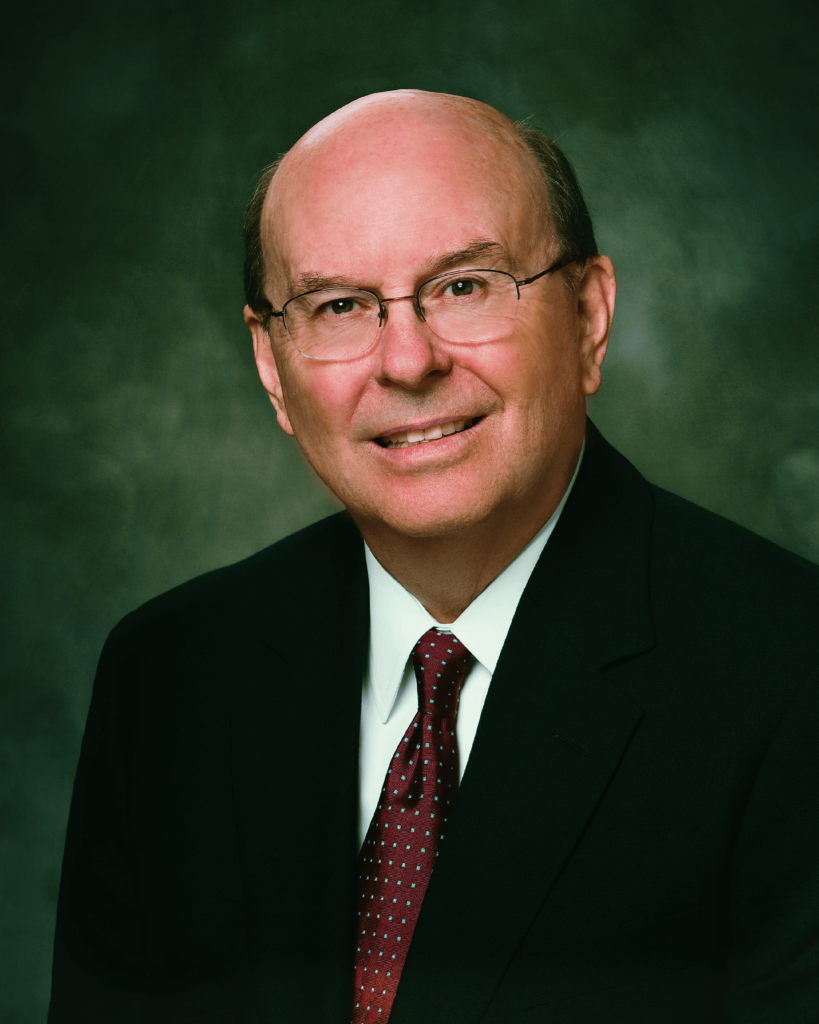
“Slow down enough to listen to the Spirit and allow Him to direct you. We must all learn to use technology as a servant, not a master. The future of the Church and our very civilization depend on members and individuals who have deep faith, moral courage, and the ability to navigate an increasingly complex world.” -Elder Quentin L. Cook
Many Youth Are Comfortable Using Technology
If the youth you teach have their own electronic devices, remember that these devices are tools to enhance learning. Teach them how to use their electronic scriptures and other resources found in the Gospel Library. You can also send messages and links to youth to help them prepare for upcoming lessons. -Teaching in the Savior’s Way
Let’s look at each of these.
- Connecting
- Presenting
- Breakouts
- Electronic Communications/Texting/Chatting
- Call to Action
We would like to encourage you to think about how we can connect with each member of your class each week. Just as our Stake Vision is to search after and rescue the one while ministering faithfully to the ninety, we can do simple things to minister to each. Some we can reach and connect with verbally during our lessons. Some are farther out on the virtual planes and will need other methods to connect with them.
Connecting
One method I’ve used in the past is to use a QR code for members to scan at the beginning of a lesson to link to the talk for everyone to discuss. Think in terms of the lesson that people can read before Sunday to be prepared to discuss. If they have great, they can share it with others, if they haven’t they can use the QR code and five minutes at the beginning of class.
This way more introverted people get the opportunity to connect with someone else in the class and people can be more prepared to contribute to the discussion (not a traditional teacher talking but a discussion). Yes, this takes time, but is it more important to get through all the content or to have more people connect and contribute to the discussions?
Presenting
Think about how much more engaging a lesson will be if there are images, videos or interactions for people to participate in rather than just a one direction class or even just asking simple questions. The Church uses technology from broadcasting conference sessions to connecting with the one’s where they are at (technology and social media), using methods they use everyday (phones). The Church has Facebook, X (Twitter), Instagram, Youtube and other channels to reach us and our youth.
When I teach student in Asia and other parts of the world we are asked to set up a WhatsApp channel for classes to ask questions. You don’t have to use this technology, but you can explore what works best in your area or group.
Not engaging with people on these devices and channels is like our ancestors trying to rescue the handcart companies while staying in Salt Lake and never venturing out on the snow-covered planes.
Christ went out to the sick and sinful (all of us), the tax collectors, and all those deemed unworthy where they were. I dare say He is seeking them out today as our missionaries, teachers, apostles and prophets seek out the one and 99 in our social channels with technology.
This doesn’t mean that everyone has to be a technology wizard to teach. While we want to help everyone learn, we could engage others in our lessons. We learn something best when we teach it and most wards have a shortage of callings for talented ward members. We have technology experts in each ward that can help. We have youth who have grown up on this technology so we could call someone to assist either temporarily or ad-hoc during lessons.
Breakouts
This is something that’s done in Pathway/institute classes in every lesson. We instruct teachers to form groups, even multiple times during an hour lesson to separate from the class, have a discussion and then bring back their insights for the rest of the class. This can break up the interactions of just having the teacher talk and students listen or respond to simple questions.
This allows us to reach more than just one or two people who may respond to a question. Everyone is involved. It’s not just about the involvement, but when people have to formulate a response or have a discussion that is an opportunity for the Holy Ghost to bare witness of their thoughts or the principle that is being taught.
Electronic Communications
Another method used in Pathway courses to reach those on the fringes is to ask for responses to lessons via text. Some people will feel more comfortable commenting on their devices instead of speaking out loud if they are shy, anxious or English isn’t their first language. You can ask simple questions, multiple choice question, post surveys, share a photo, song, drawing or any multi-media content to interact and respond with.
Think of how you can have your teaching partner, a youth or volunteer manage the text channels while you manage the verbal ones. Instead of fighting the use of electronic tools we can embrace them and put them to use for good and engage with many more than we normally would.
Moses had Aaron, Joseph had Emma and Oliver, we send out missionaries two by two, so each lesson doesn’t have to have a single teacher. Think of our recent (Feb. 2026) Stake Conference and how Elder Taylor asked couples to speak at the same time. The interaction can be multi-modal (verbal and written) and synchronous (two forms at once).
Call to Action
Also, think about what is the purpose of teaching this lesson? What do you, the Sunday School, the Stake, the Church want us to learn? What is the Lord’s will for us to change in our lives? Each lesson should have an invitation or challenge for that daily repentance or change prophets and apostles have talked to us about.
Engaging with others on technology can help them bring action in the tools they use during the week. It can serve as to have a reminder, a note or a calendar item or more to help them follow up after the lesson. Wouldn’t it be great that if during the week someone picked up their phone, went to their browser, scriptures or application and there was a reminder of what they had studied during the week? That might just be a method the Lord uses for us to connect and answer a question for them that they desperately need.
Like President Uchtdorf, I invite you to rethink how you teach your lessons, always think of how the Savior taught the principle and then be open to how you can connect with those you teach using the tools we have been blessed with.
If you have any questions or would like help or ideas please reach out.
President Jolley
(801) 560-8812
amiwebguy@gmail.com
Sunday School Training
- Sunday School Training (2026)
- Stake Sunday School Training (2025)